Sourced, timely coverage of the developments that matter to enterprise technology leaders — detected by Frontier Telemetry and refined with human judgment.
Meta introduced the Muse Ember execution model on November 9, 2026, three days after launching persistent Spaces in Muse, illustrating a broader separation between the agent workspace users experience and the specialized models that execute high-volume work.
IBM and Microsoft introduced Imagine Enterprise on November 10, 2026, combining industry-specific agents, governance and enterprise infrastructure in a joint platform that signals a structural shift from buying model access to choosing an operating layer for repeatable AI workflows.
Expedient has reorganized AI CTRL into three service tiers while expanding its interface and governance controls, reflecting a larger shift from buying isolated AI tools toward operating models, enterprise data and agents through a common control plane.
Infor and Anthropic announced an integration that lets authorized manufacturing users query Infor data and initiate approved ERP actions through Claude, marking a structural shift from conversational retrieval toward governed execution inside enterprise systems.
Microsoft’s November 12, 2026 service degradation disrupted Outlook, Microsoft 365 Copilot and Exchange-dependent Teams features around the world while impairing Microsoft 365 connectors used by OpenAI and Anthropic—a sign that enterprise AI resilience now depends on the full chain connecting models, applications and corporate data.
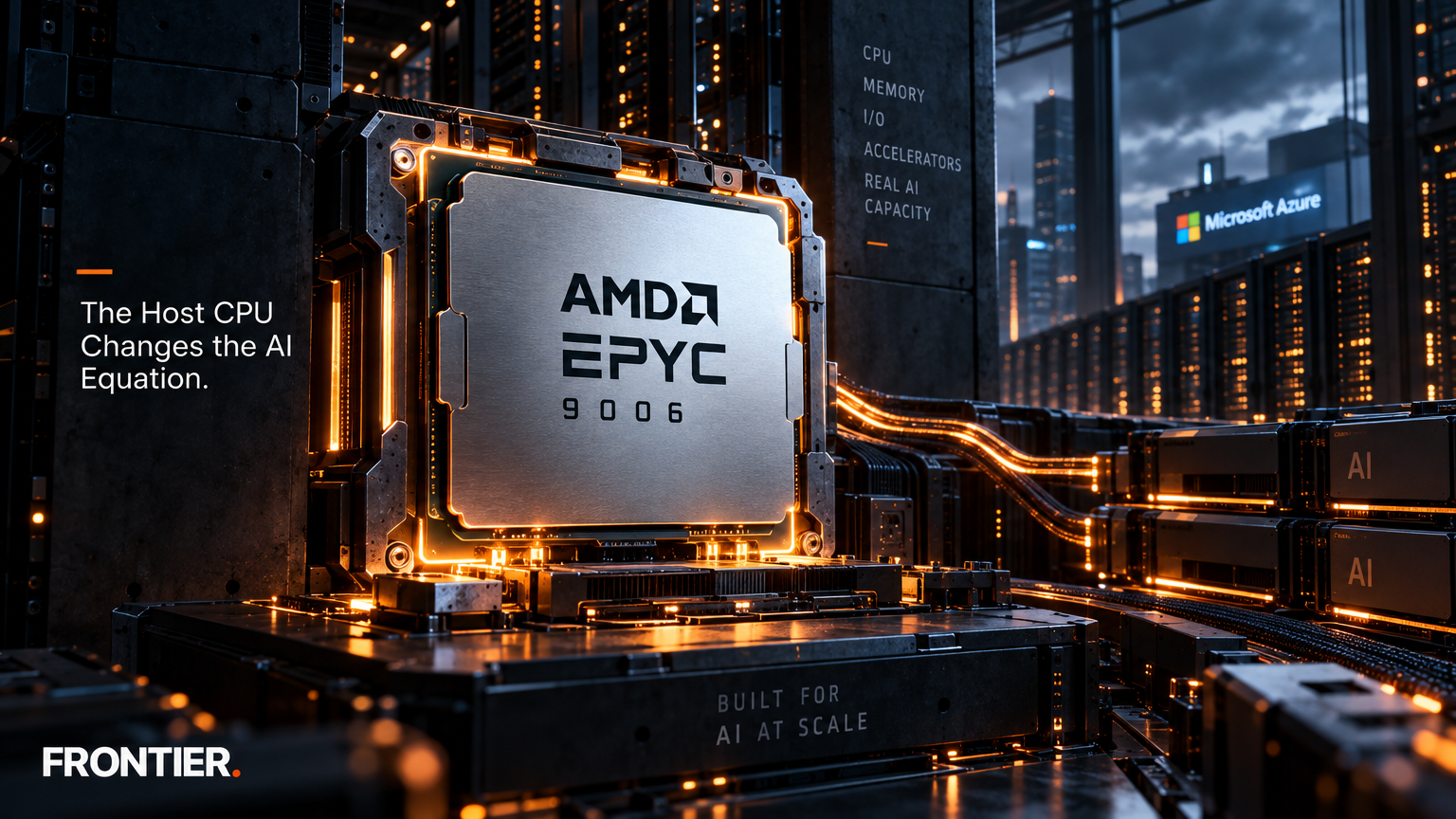
AMD made its 6th Gen EPYC 9006 SP7 processors generally available on November 10, 2026, as Microsoft opened an Azure implementation for preview. The milestone reflects a larger shift toward heterogeneous AI systems whose economics depend on balancing accelerators with CPU density, memory bandwidth, I/O and actual deployment readiness.
Adobe’s November 10 MAX announcement previewed third-party agent access to Creative Cloud desktop applications and native project files, signaling a structural shift from AI embedded inside creative tools to specialized applications operating as callable components of enterprise workflows.
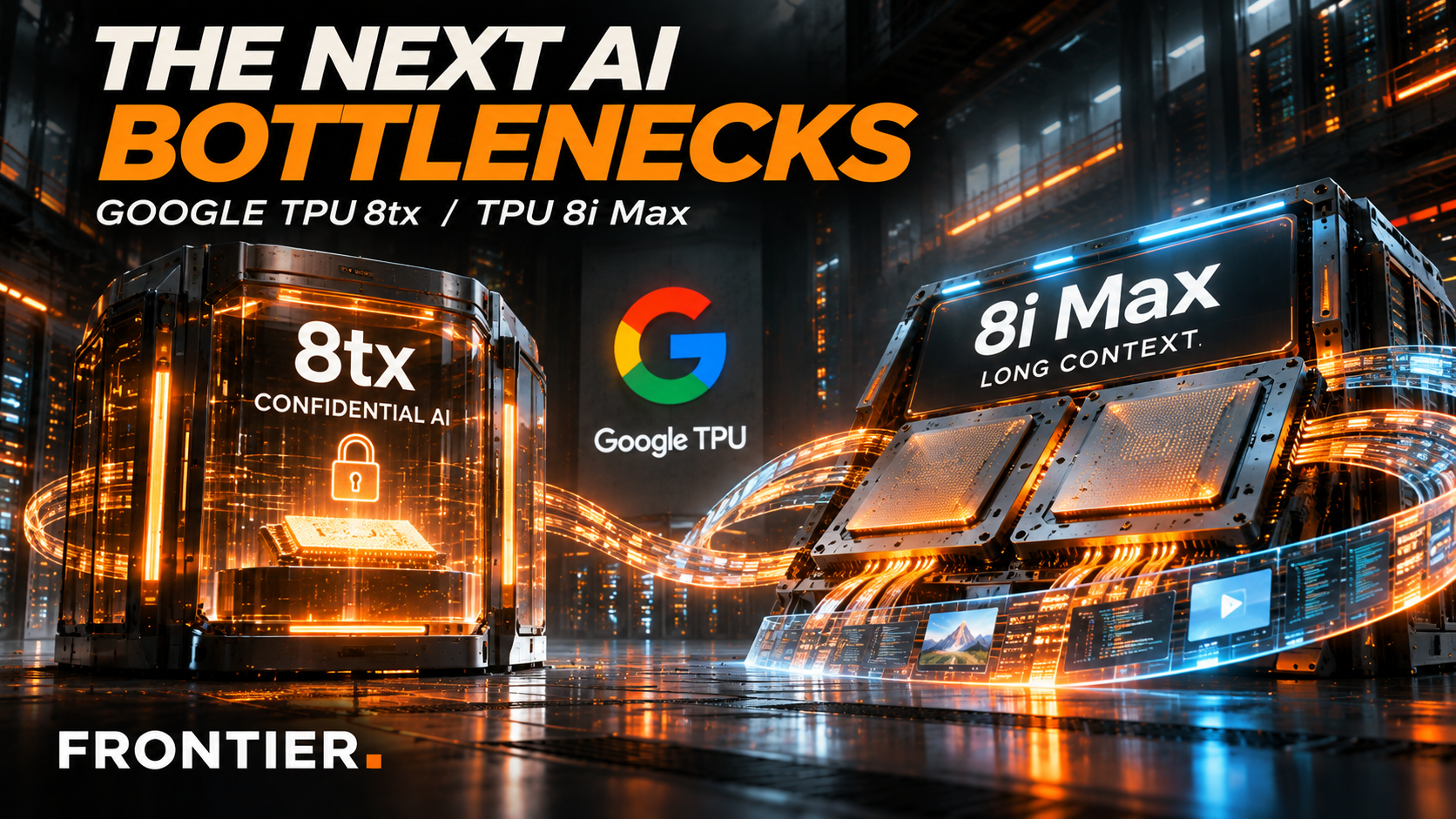
Google’s new TPU systems attack confidential inference and massive-context agents, two workloads where it could become a first-choice provider. But security proof, unknown pricing and the still-limited path to owned hardware complicate the CIO decision.
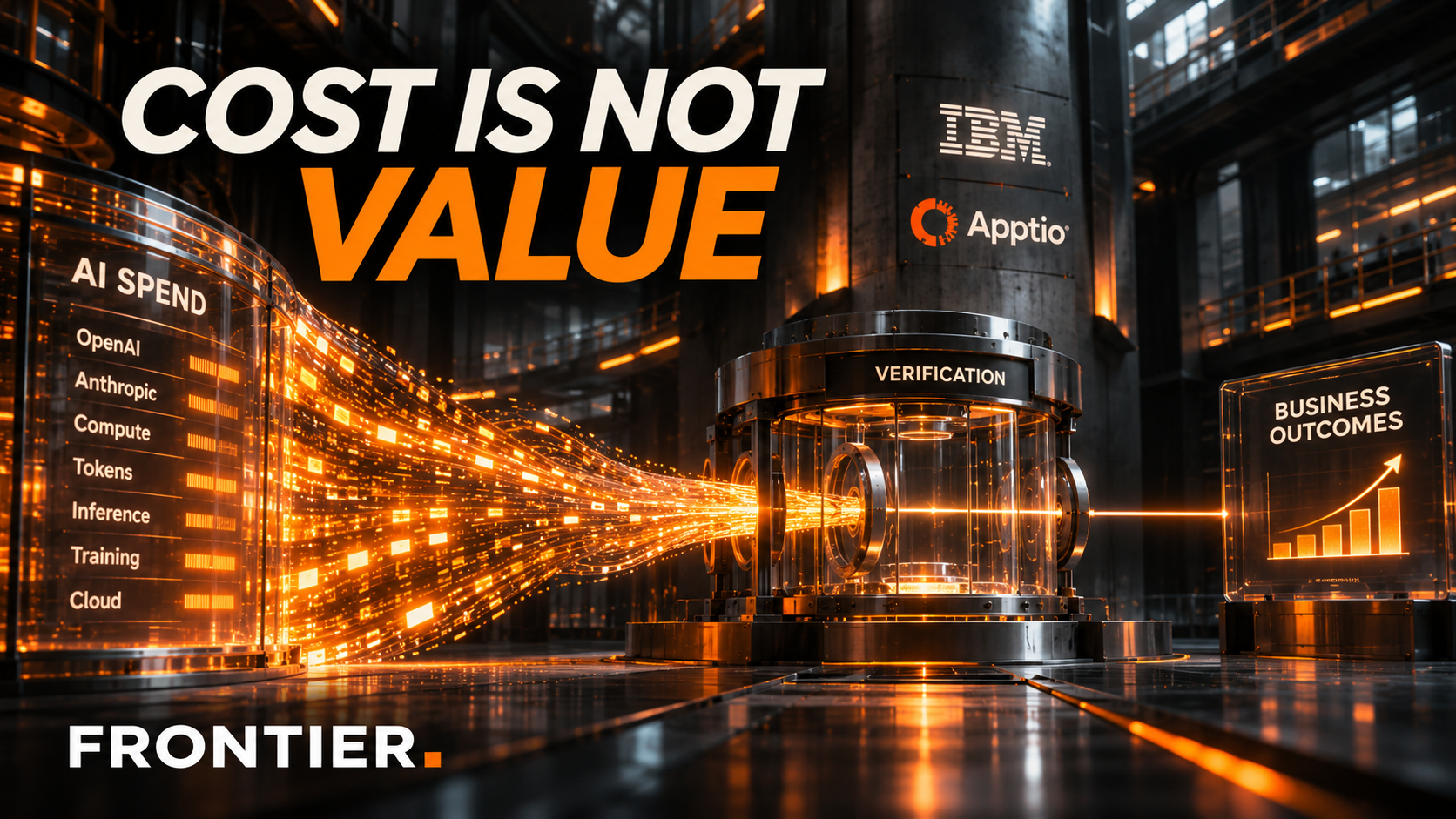
IBM has expanded Apptio's AI cost connectors, unit economics and ROI tracking. It can make fragmented AI spending legible—but CIOs still have to prove which business results the investment caused.
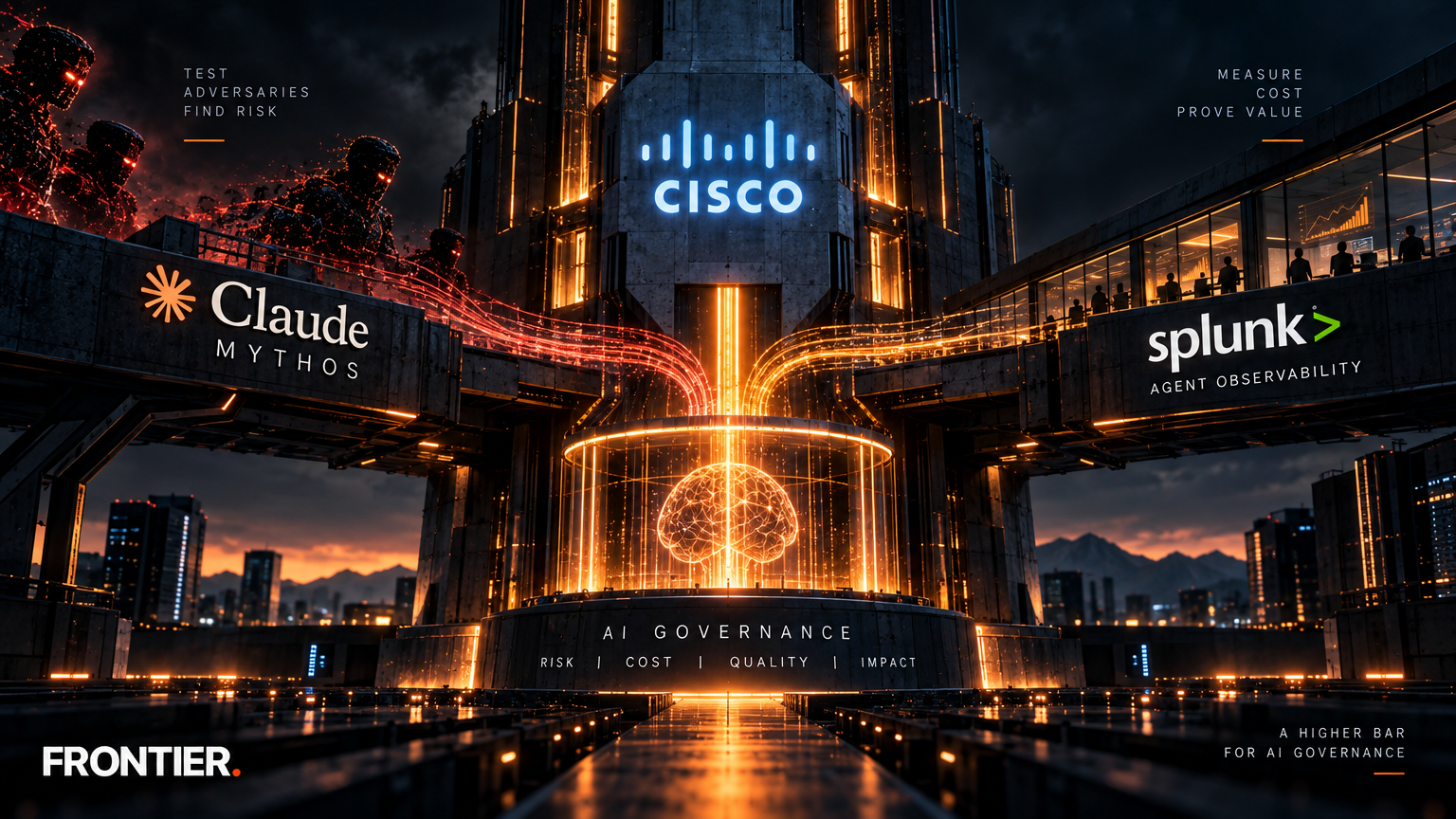
Cisco is adding Anthropic’s Claude Mythos to AI Defense and extending Splunk Agent Observability to correlate agent costs with quality and business impact—a material step toward an integrated control layer for enterprise AI agents.
Google Cloud added execution safeguards to CodeMender, made Auth Manager generally available, introduced preview identity and content controls, and deepened Wiz integrations—evidence of a larger shift toward security controls embedded throughout the agent lifecycle.
Salesforce expanded Agentforce Coworker on November 4, 2026, with a per-user SKU, productivity-suite connections, persistent conversation history, and reusable skills—a material step in the shift from application-specific assistants to cross-workspace execution layers whose enterprise value must be proven.
Box announced a Nemotron-powered retrieval engine, an agentic workflow design layer, and industry packages on November 5, 2026—evidence of a larger shift from content storage toward governed context and execution infrastructure for enterprise AI.
Confluent’s new AWS-available Lightning Tables makes Kafka state directly queryable for AI agents and applications. The prize is reusable operational context; the danger is mistaking a fast materialized view for transaction authority.
Copado has acquired Valo.ai to add operational and security intelligence for live Salesforce environments, signaling a broader shift toward one control architecture spanning software delivery and production oversight—even though integrated remediation remains on the roadmap.
vSphere Express offers a smaller way to stay; VCF adds a stronger private-AI and resilience argument. CIOs should test both against real migration paths—and demand commercial terms worth trusting.
Adobe is putting its customer-experience intelligence inside the major AI assistants. Steve Mann examines who controls the customer relationship, the gap between read-only insights and execution, and three strategic options for CMOs.
At ENGAGE 2026 Smartsheet unveiled vsActual and new AI agents, integrations, security controls and consumption pricing. The CIO challenge is to turn the crowded work-management stack into governed, provable execution—not faster status theater.
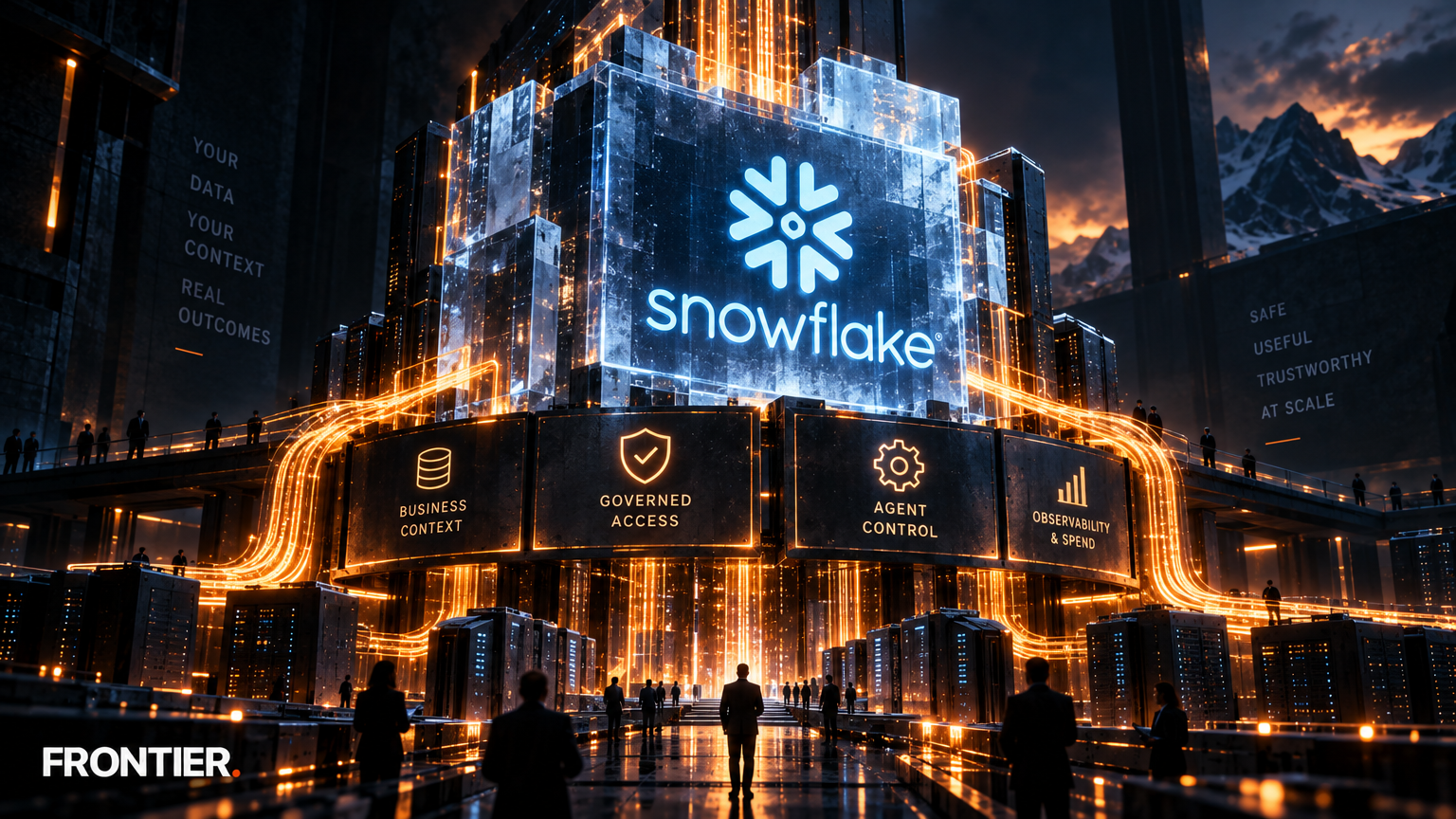
Snowflake announced a Business Ontology and expanded Cortex AI Gateway controls, signaling a larger shift from competing on model access to governing the business context, tool use, security and spending that determine whether enterprise agents can operate reliably.
Copilot’s rise in job postings exposes an underestimated Microsoft advantage: enterprise distribution can shape the skills employers demand. CIOs need that talent pool—but not a workforce strategy written by their software supplier.
CrowdStrike has integrated Falcon Guardian with Anthropic’s Claude Cowork local virtual machine, signaling a larger shift from protecting only employee devices to monitoring the isolated runtimes where enterprise AI agents actually execute.
Dell’s AI demand boom and Micron’s allocation power reveal the new hardware bargain: less discount, more execution risk, and no reliable all-clear date. What CIOs should lock down—and keep open—through 2028.
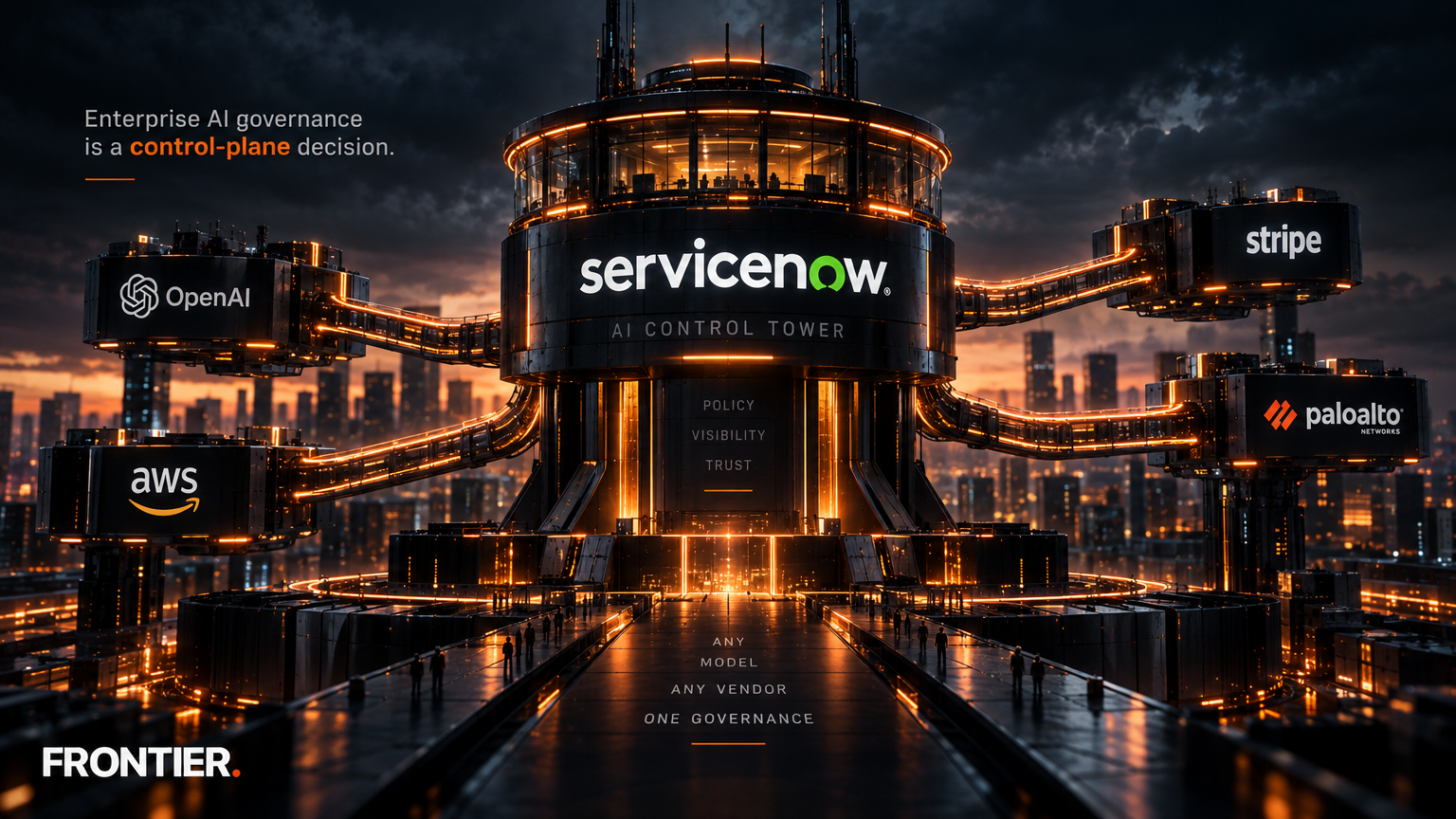
ServiceNow has formed an 11-member alliance with OpenAI, Stripe, AWS and other infrastructure and security vendors, signaling a larger shift from governing individual AI products to controlling heterogeneous AI estates through shared qualification, integration, policy and cost-management layers.
Fortanix says its CNCF Confidential Containers integration is available now, making hardware attestation a condition of decrypting sensitive Kubernetes AI workloads. The CIO story is much bigger—and Cisco’s public-preview, single-node validation makes production discipline essential.
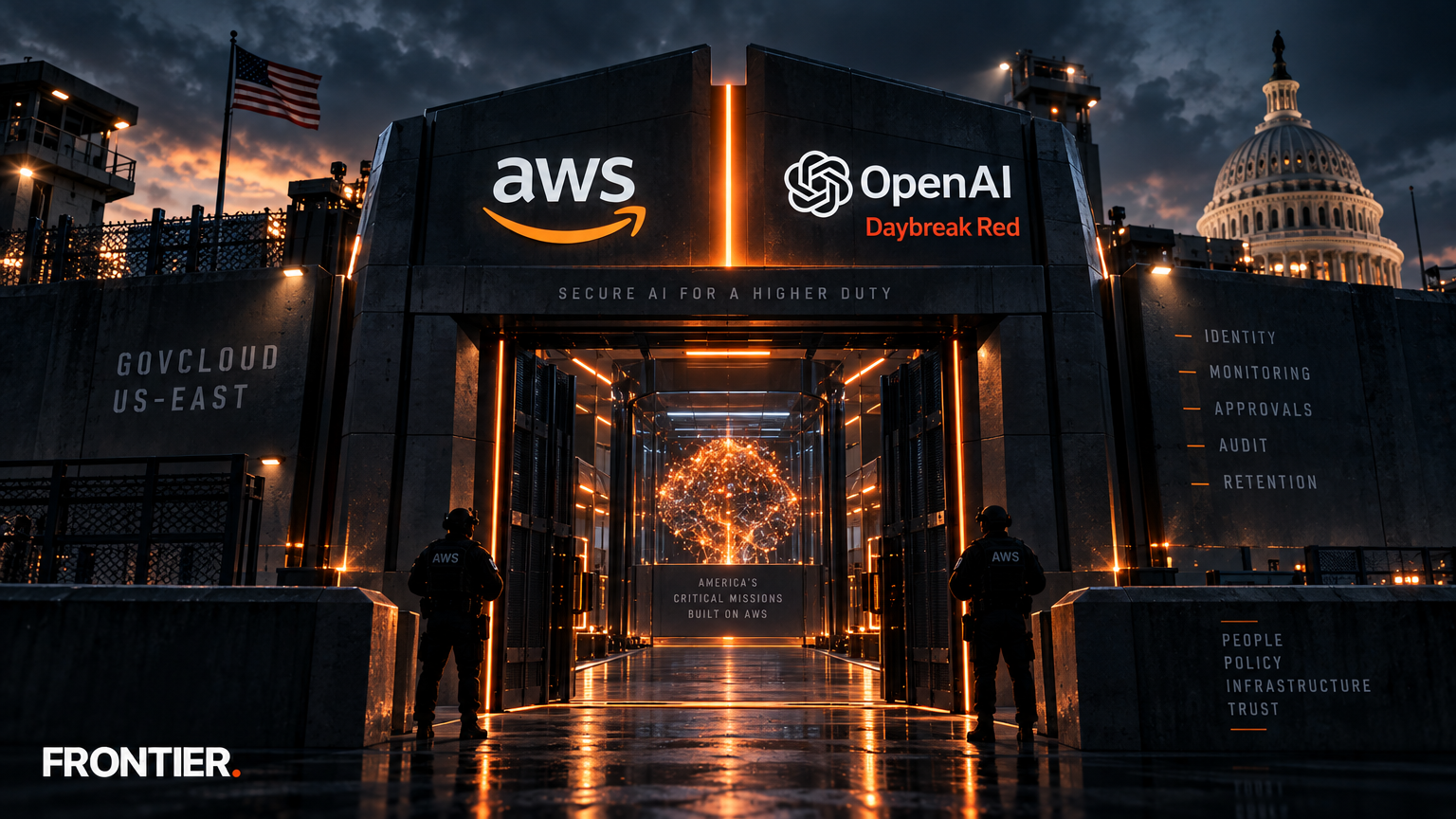
OpenAI’s specialized GPT-5.6 Cyber model is now available to eligible Amazon Bedrock customers in AWS GovCloud (US-East), marking a larger shift toward deploying dual-use AI through approval-gated cloud infrastructure where identity, monitoring, operator access and retention terms become architectural controls.
Artificial IntelligenceCybersecurityCloud + InfrastructureAmazon Web ServicesOpenAICIOCISOCAIO
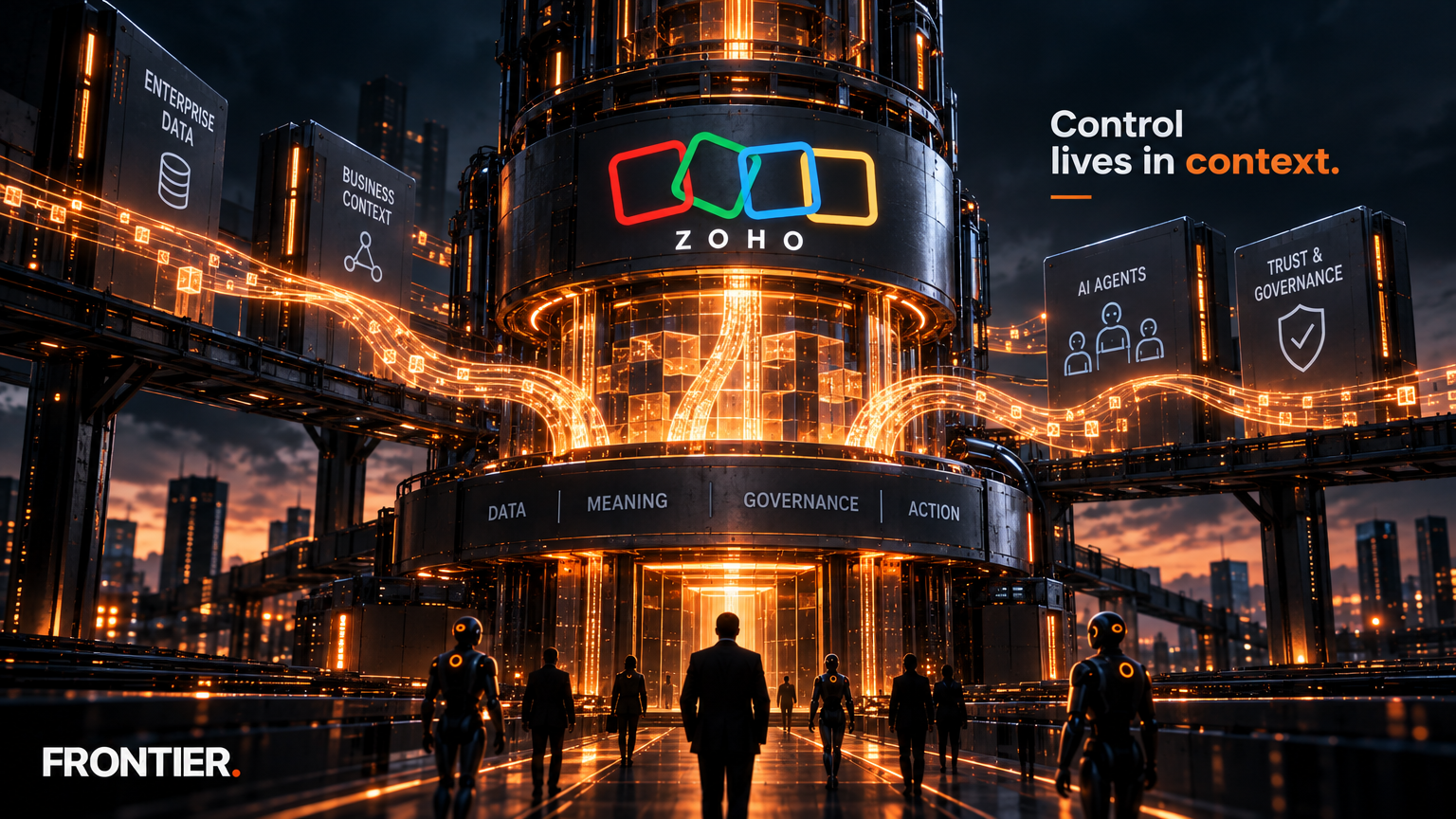
Zoho has expanded Zoho Analytics with semantic, ontology, agent-orchestration and governance capabilities, reflecting a larger shift from human-facing business intelligence toward governed context infrastructure through which AI agents can interpret enterprise data and act.
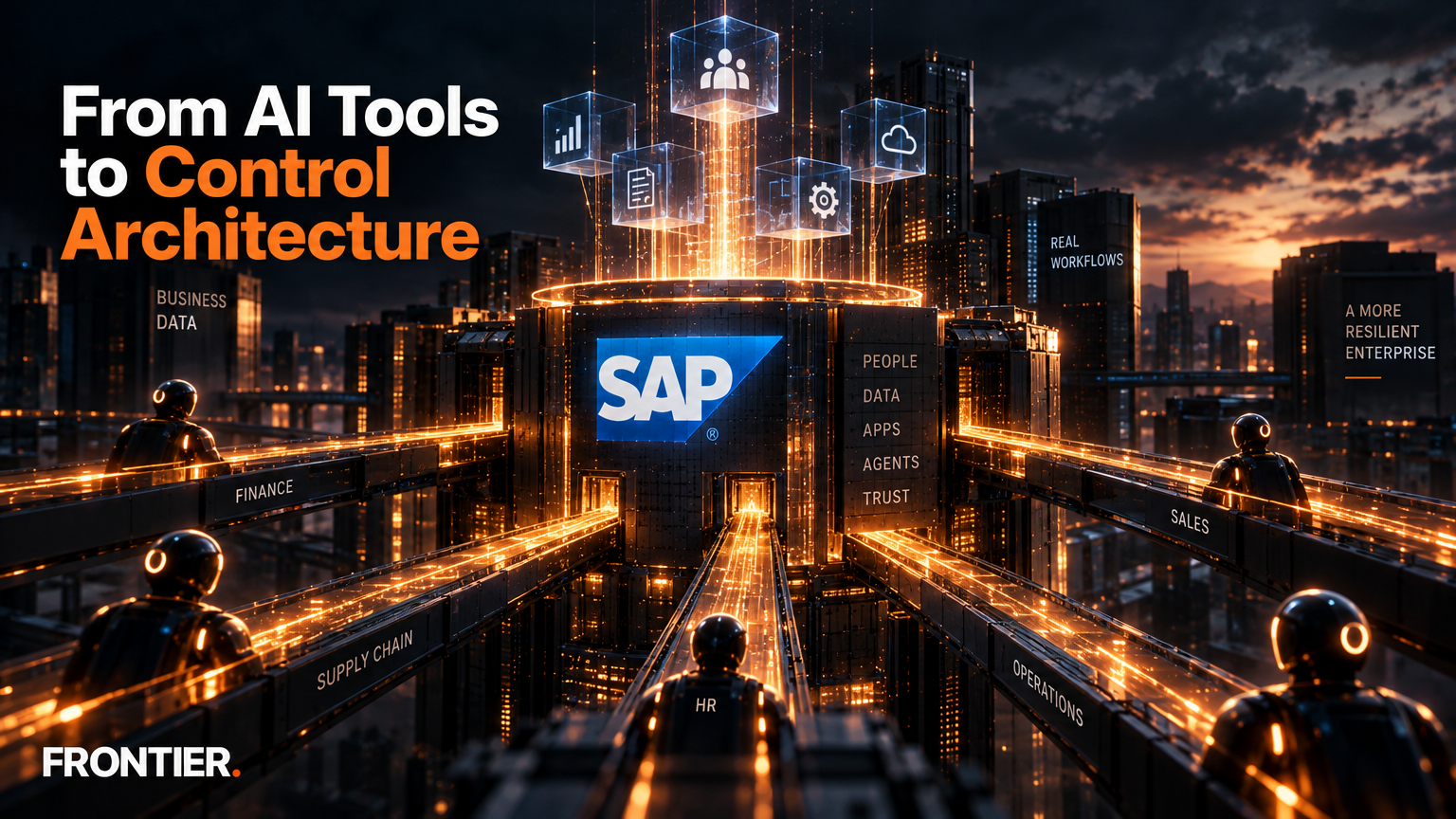
SAP has expanded Joule Studio, agent interoperability, Business Data Cloud integration and AI-governance capabilities, reflecting a larger structural shift toward governed agent ecosystems that can coordinate work across enterprise data, applications and organizational boundaries.
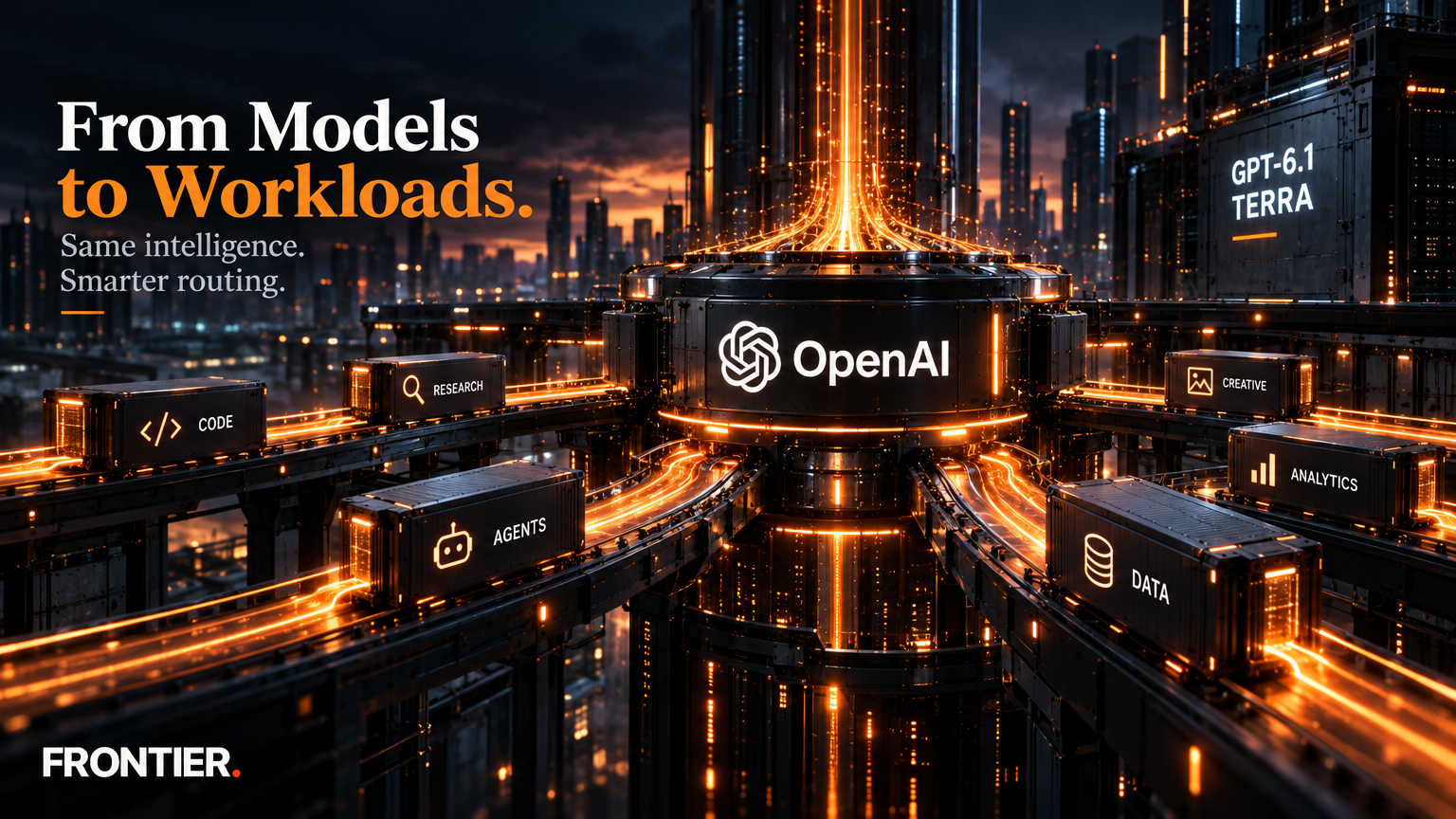
OpenAI has released GPT-6.1 Terra with lower API pricing, a larger operating envelope and vendor-reported speed gains on computer-use tasks—evidence of a broader shift from one-time model selection to continuous workload-level optimization.
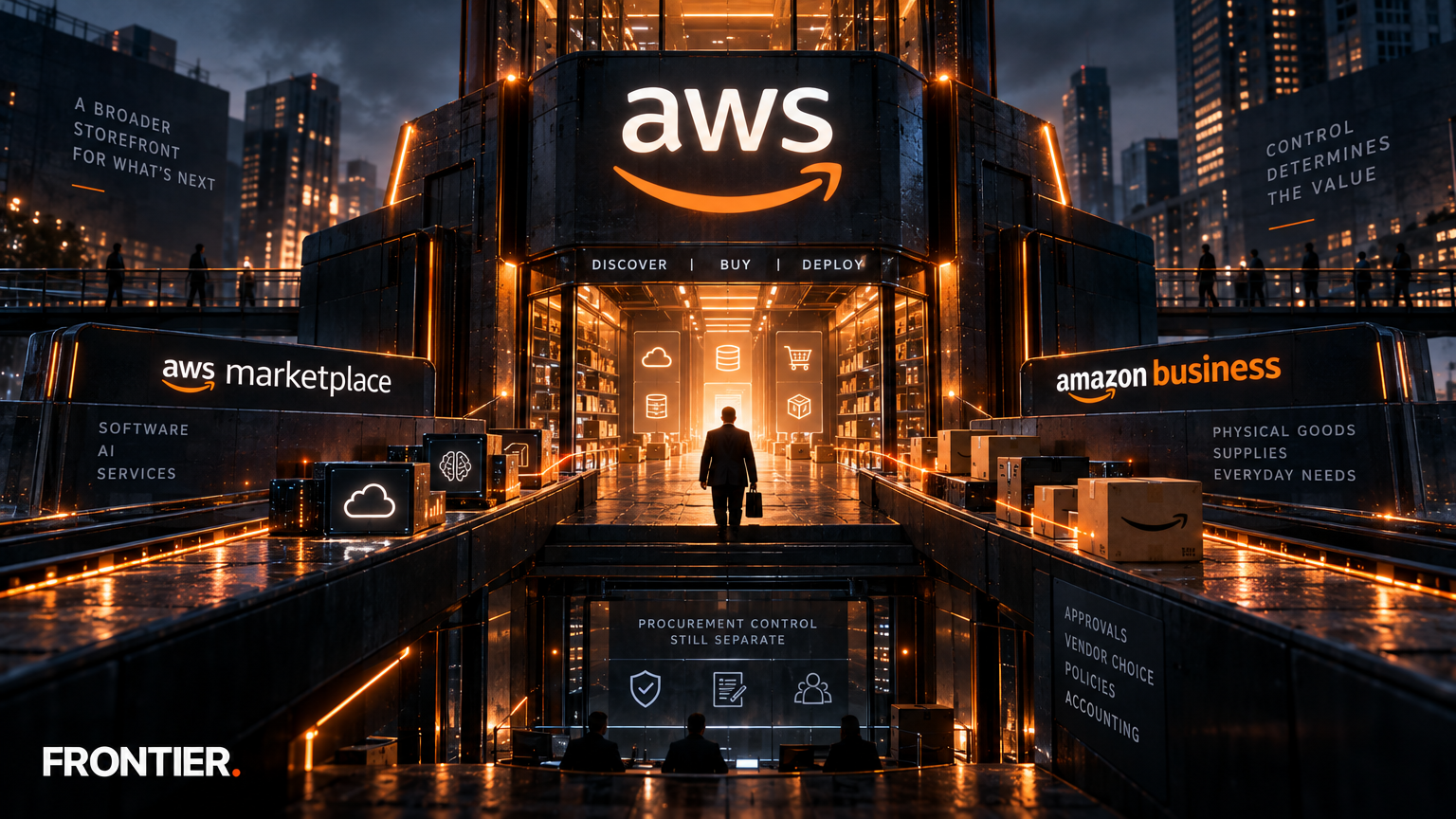
AWS has joined software, AI and physical-goods discovery in a single storefront, but its two checkout paths expose a deeper contest over who controls enterprise purchasing decisions.
CIO LeadershipEnterprise ApplicationsCloud + InfrastructureAmazon Web ServicesAnthropicCIO
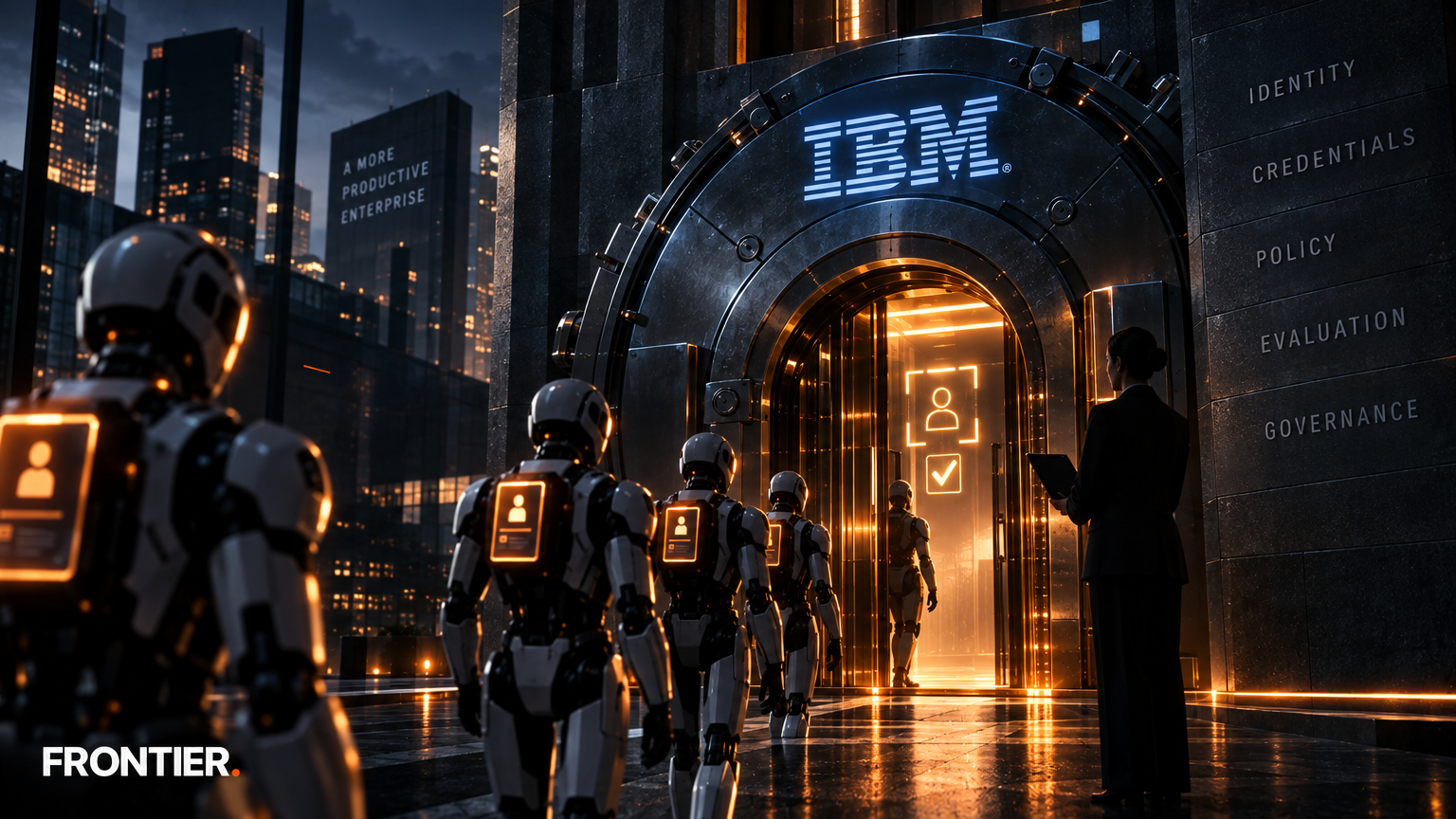
IBM has combined generally available identity, credential, evaluation and policy capabilities with preview-stage discovery and containment tools, marking a broader shift from treating AI agents as software features to governing them as enterprise principals.
Oracle’s AI World offensive connects models, business execution, data, security, and infrastructure. The real growth test is whether a CIO who does not run Oracle can buy a valuable outcome without first buying an Oracle estate. Here is what clears that bar, what might, and what is still a roadmap.
New construction, manufacturing, nonprofit and revenue workflows make Intuit a serious mid-market ERP challenger. Its AI-native architecture and accountant network could matter more than the feature list.
Dell is extending PowerProtect across identity, AI and storage. The CIO test is whether its components can restore trustworthy authority during a live compromise, not merely recover copies of data.
Anthropic’s public S-1 discloses at least $542 billion in existing and anticipated compute and infrastructure payments, exposing a structural shift from variable AI consumption toward multiyear capacity obligations that CIOs must evaluate alongside model performance.
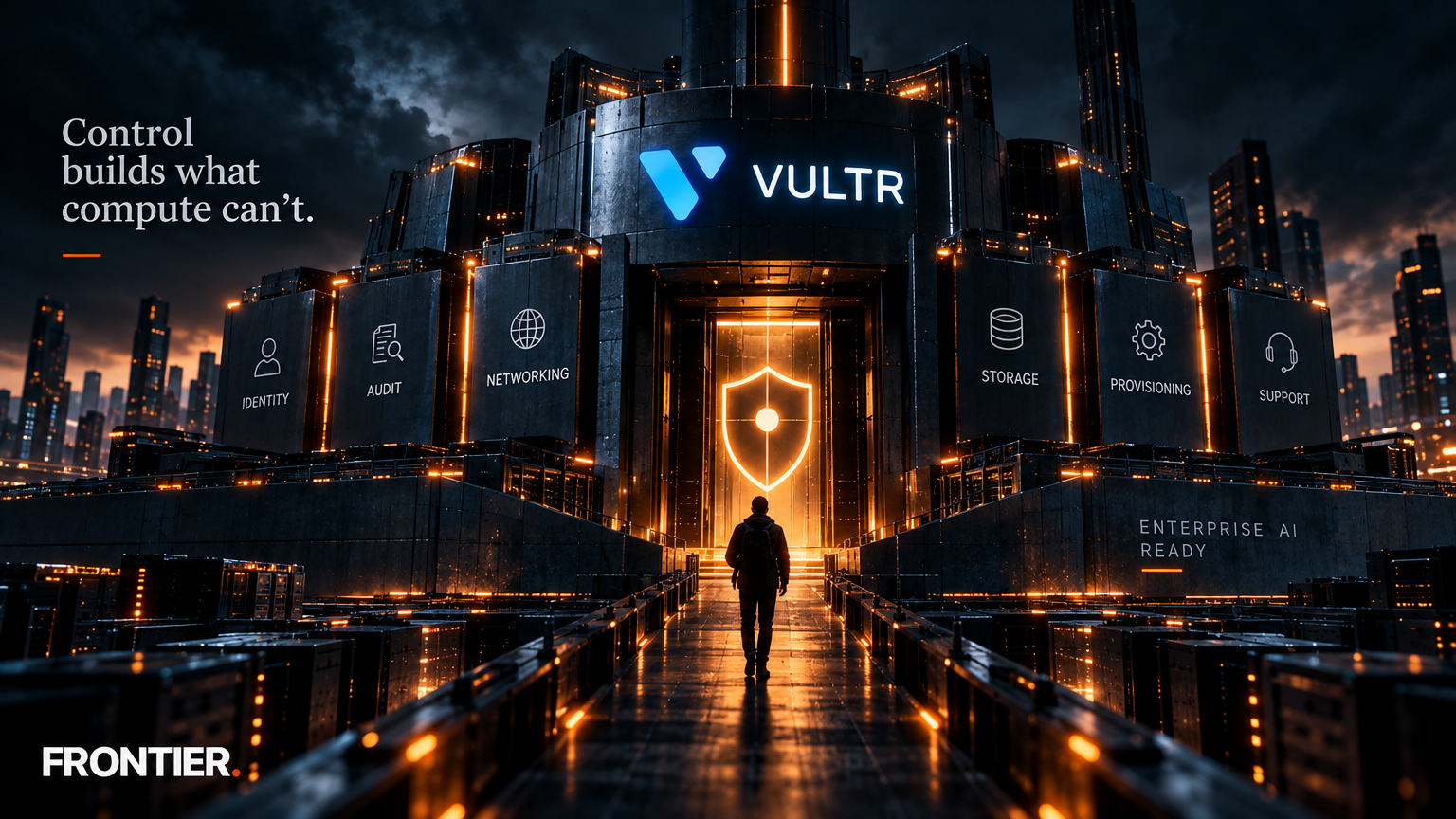
Vultr has grouped identity, audit, networking, storage, provisioning and support upgrades around enterprise agentic AI, reflecting a larger shift in which production readiness depends on governed operations—not compute capacity alone.
Palo Alto Networks has combined conventional XDR and agentic endpoint security in Cortex XDR One, signaling a structural shift from protecting users, processes and applications to governing AI agents through the endpoint control plane.
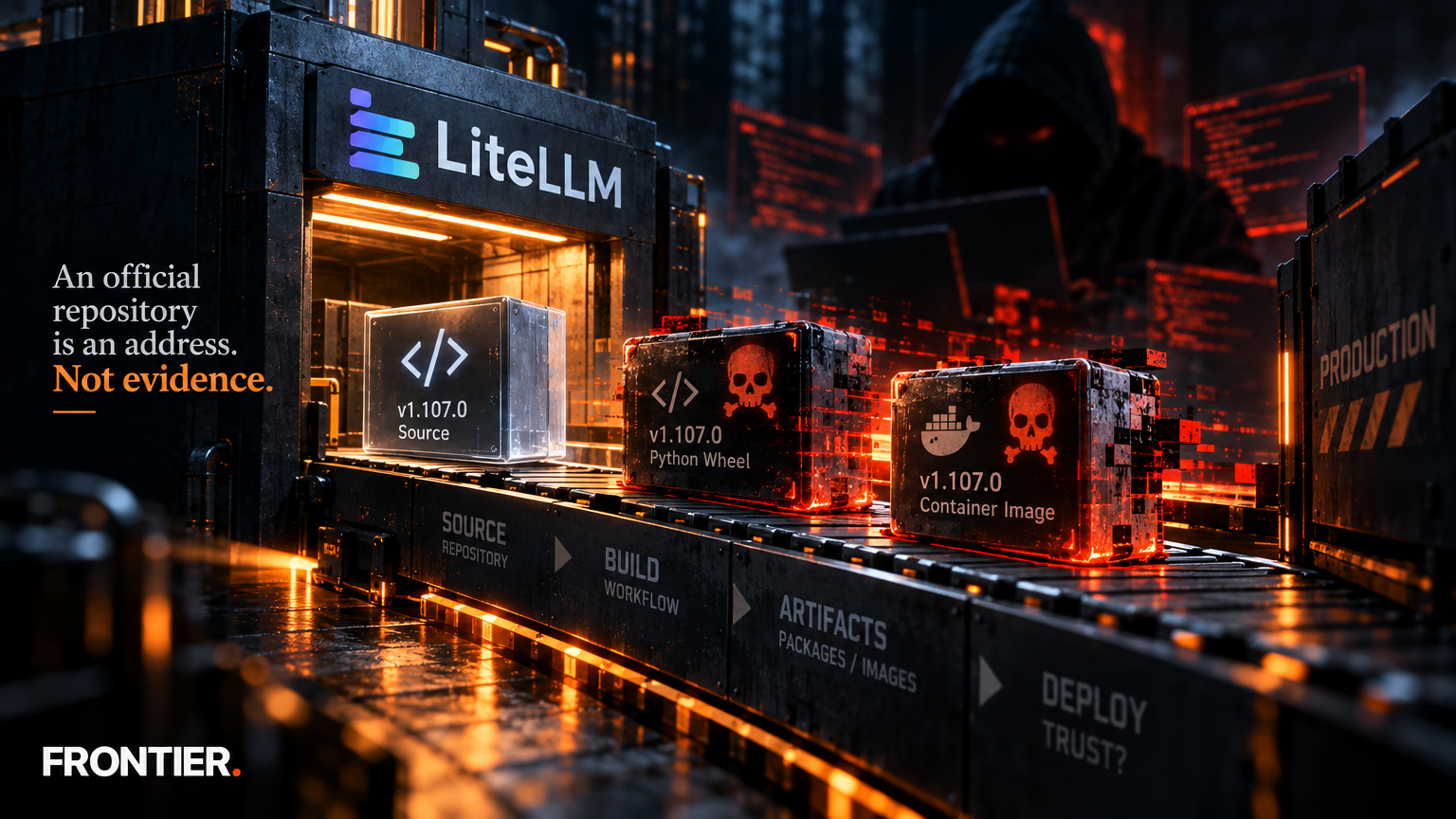
Attackers used compromised LiteLLM owner credentials to exfiltrate repository secrets and later publish malicious Python and container artifacts, demonstrating why enterprise trust must extend across identities, workflows, builds and distributed binaries—not stop at an official repository or package channel.
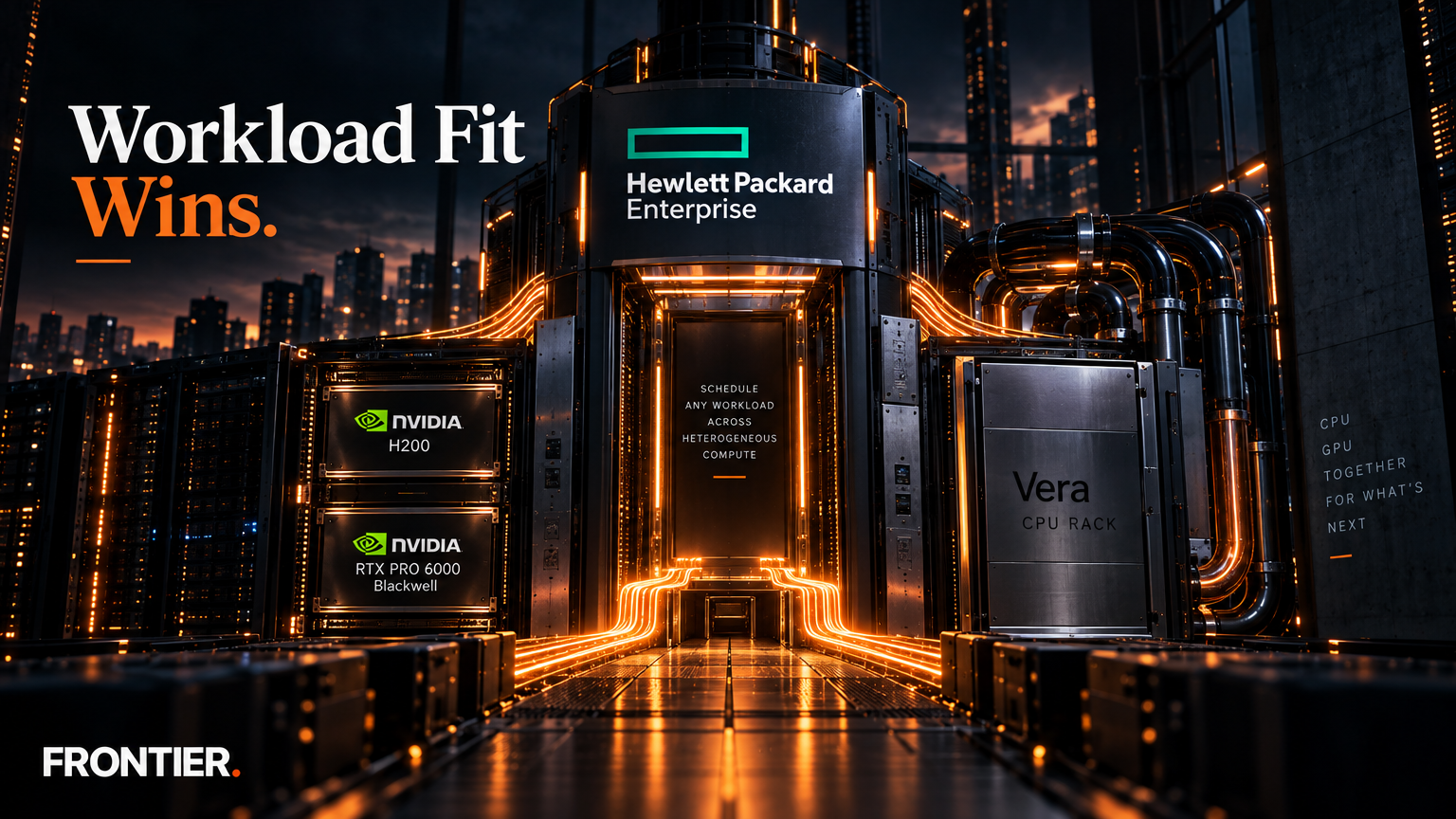
HPE Private Cloud AI can now combine Nvidia H200 and RTX PRO 6000 Blackwell Server Edition GPUs in one cluster, while HPE has introduced a liquid-cooled Vera CPU rack—evidence that private AI architecture is moving from uniform accelerator estates toward governed pools of heterogeneous compute.
Red Hat and NVIDIA have expanded their AI Factory collaboration with planned OpenShell integration, a governed inference design and next-generation infrastructure support—evidence of a larger shift that is embedding agent controls across the enterprise AI stack rather than attaching them to individual applications.
Microsoft's October 20 Sovereign Cloud expansion makes disconnected operations, local AI and developer tooling, customer-held encryption keys and European operator oversight part of enterprise architecture. The bigger story is IT de-globalization—and the gap between operational control and genuine supplier independence.
Artificial IntelligenceCIO LeadershipCybersecurityMicrosoftAmazon Web ServicesCIOCTO
NVIDIA has announced capacity arrangements with six semiconductor suppliers spanning substrates, advanced packaging, testing and optical engines, signaling a structural shift in which enterprise AI availability depends on coordinated, multiyear industrial capacity rather than processor performance alone.
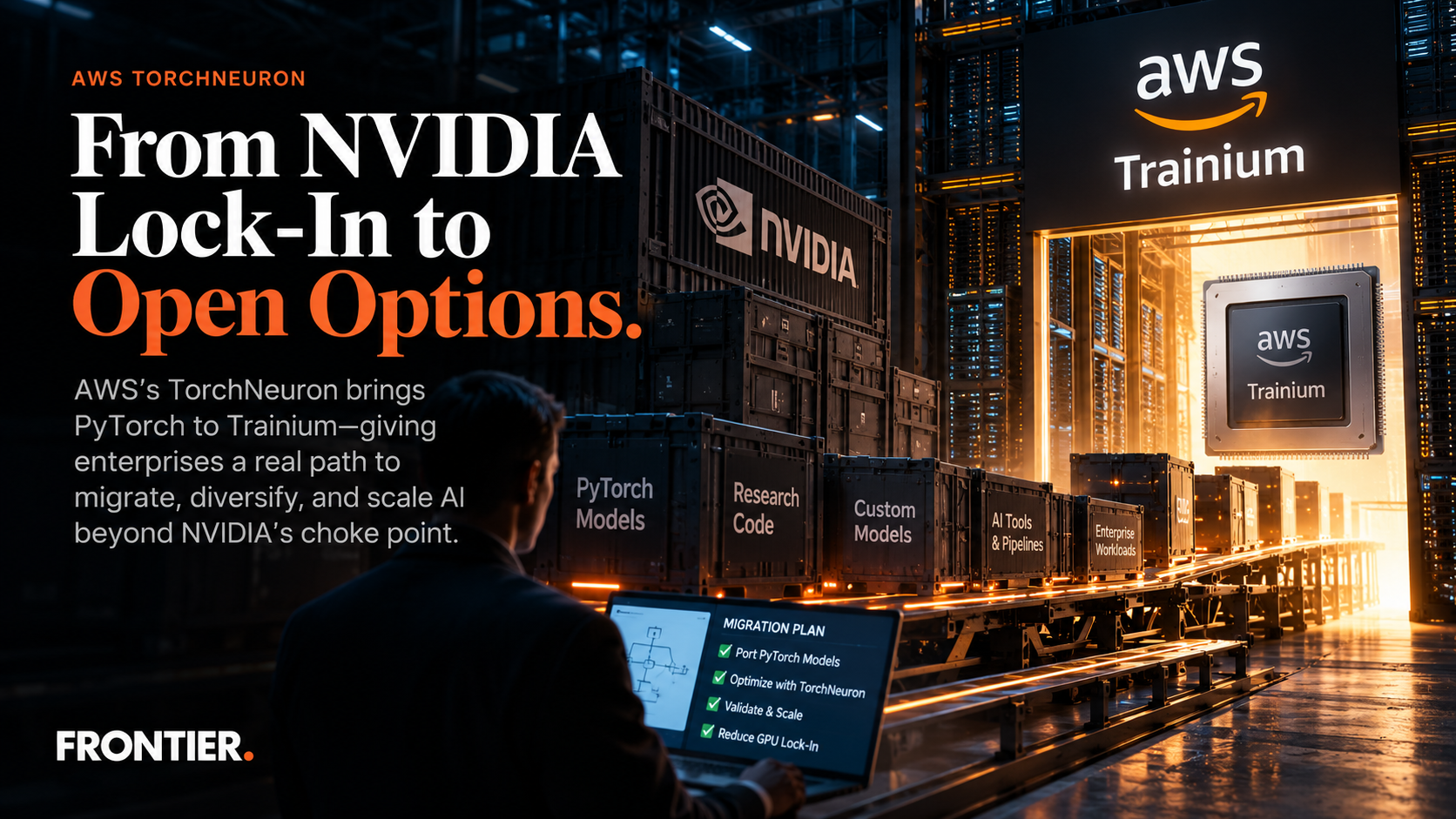
AWS has removed an important obstacle to moving PyTorch workloads onto Trainium2 and Trainium3, but CUDA-specific kernels, beta compatibility gaps, and operational economics still decide whether CIOs can really switch.
Artificial IntelligenceCloud + InfrastructureEnterprise ArchitectureAmazon Web ServicesNVIDIACIO
Microsoft's agent accounts, process memory, and proactive triggers move Copilot Studio toward persistent organizational labor. The real contest is who controls their authority, memory, and cost.
Salesforce is selling Agentforce through credits, conversations, users and resolutions, while monday.com has introduced seats plus AI credits—a broader shift from pricing human access to metering machine-executed work.
As a former SAPer, I have a particular affinity for the organization. I was always an ardent supporter or candid critiquer - there was never any in between and today is no different. Since SAP is in the process connecting transaction execution with intelligence about work. CIOs, CTOs and CAIOs should test the efficacy of their approach and if moving forward purchase measurable outcomes, not AI hype.
Honeywell Technologies has introduced Forge Cognition with NVIDIA technology and Dell infrastructure, signaling a broader shift from AI that analyzes facility data to operational systems that can simulate environments and recommend or execute actions under defined human oversight.
Veeam's generally available Intelligent ResOps combines agent discovery, data-access context and surgical Microsoft 365 recovery. New Okta and Data Platform previews reveal a much bigger ambition: making the consequences of autonomous work governable.
The strategic announcement is not another employee assistant. It is a proposed link between business permissions and agent execution. CIOs should test that architecture—and its full operating cost—before expanding their dependence on ServiceNow.
AI scrutiny by banking watchdogs are making customers nervous. The marketing decision is how to build a customer experience that deflects these fears, build better relationships and make promises the bank can keep.
Microsoft has unveiled the inference-first Azure Maia 300 for production deployment beginning in 2027 and plans to make the broader Maia family the primary inference system for its products and services—a structural shift from selling access to accelerators toward operating vertically integrated AI infrastructure.
Workday has signed a definitive agreement to acquire C1.ai, a pending transaction that signals a larger shift from simply registering AI agents to governing what people and machine actors can access across enterprise applications and infrastructure.
Helion gives enterprises another way to separate agent execution from model inference. CIOs and CAIOs should separate routing policy from hardware procurement—and make both answer to cost per accepted workflow.
Amazon Web Services has launched Lambda Web Functions for standard port-listening HTTP applications, eroding the architectural boundary between functions and conventional web servers while shifting more scaling, routing and compute economics into the managed runtime.
Artificial IntelligenceEnterprise ApplicationsCybersecurityAmazon Web ServicesCIOCTO
The private-beta assistant promises cross-application execution. SaaS and AI go-to-market teams should measure accepted work, retained authority and review costs—not digital headcount.
The FBI says a contractor failed to apply an issued security patch on a third-party-managed platform, while independent reports identify Oracle PeopleSoft as the affected system—a case that accelerates the shift from trusting vendor processes to requiring production-level proof that critical patches were deployed and verified.
TD SYNNEX has introduced FinOps Fusion for public-cloud and core-infrastructure spending, while placing token-level AI visibility partly on its 2026 roadmap—a launch that reflects the larger shift from cloud-cost optimization to unified governance of AI consumption across hybrid estates.
Satya Nadella and Mustafa Suleyman warn that AI must be contained. Microsoft now has an execution layer to sell. The strategic prize is enforceable authority over agents—not just smarter models.
IBM’s October 7 launch packages cloud ERP modernization for growing businesses. Its strategic bargain is fewer bespoke processes in exchange for faster delivery, a cleaner architecture, and savings CIOs must make contractual, but investigate thoroughly for the tradeoffs.
Dell's proposed 2027 semantic layer and knowledge graph could solve a real agent failure mode—and create a new dependency over enterprise meaning. The architecture is intriguing. The evidence is not yet production-grade.
Cisco introduced Dialog as a forthcoming orchestration layer beneath Webex AI Agent, signaling a larger shift from self-contained chatbot sessions toward persistent infrastructure that can preserve customer context and coordinate work across enterprise systems, data and rules.