AI is now demonstrating high-maturity labor capabilities such as completing entire remote-work projects unassisted while also suddenly accelerating AI research itself. Our new global labor model explores the global cognitive-work shock, the later humanoid wave, the jobs that might return, and the urgent decisions executives and governments must make.
A nonpartisan technology assessment of ten policy shifts, ten incoming leaders and the CIO operating model needed to compete in a potential $1.5–$3 trillion AI market by 2030.
I’ve advocated for an open Internet for decades, believing in the extraordinary promise of “anyone can participate.” Black October has shaken that belief—not in what the Internet should be, but in whether its foundations can still protect us. We face a watershed choice: rebuild trust without sacrificing freedom, or watch the greatest engine of human connection become a world of locked doors, digital checkpoints, and permission slips. I want a safer Internet for my children. But I refuse to believe we must surrender its soul to get there.
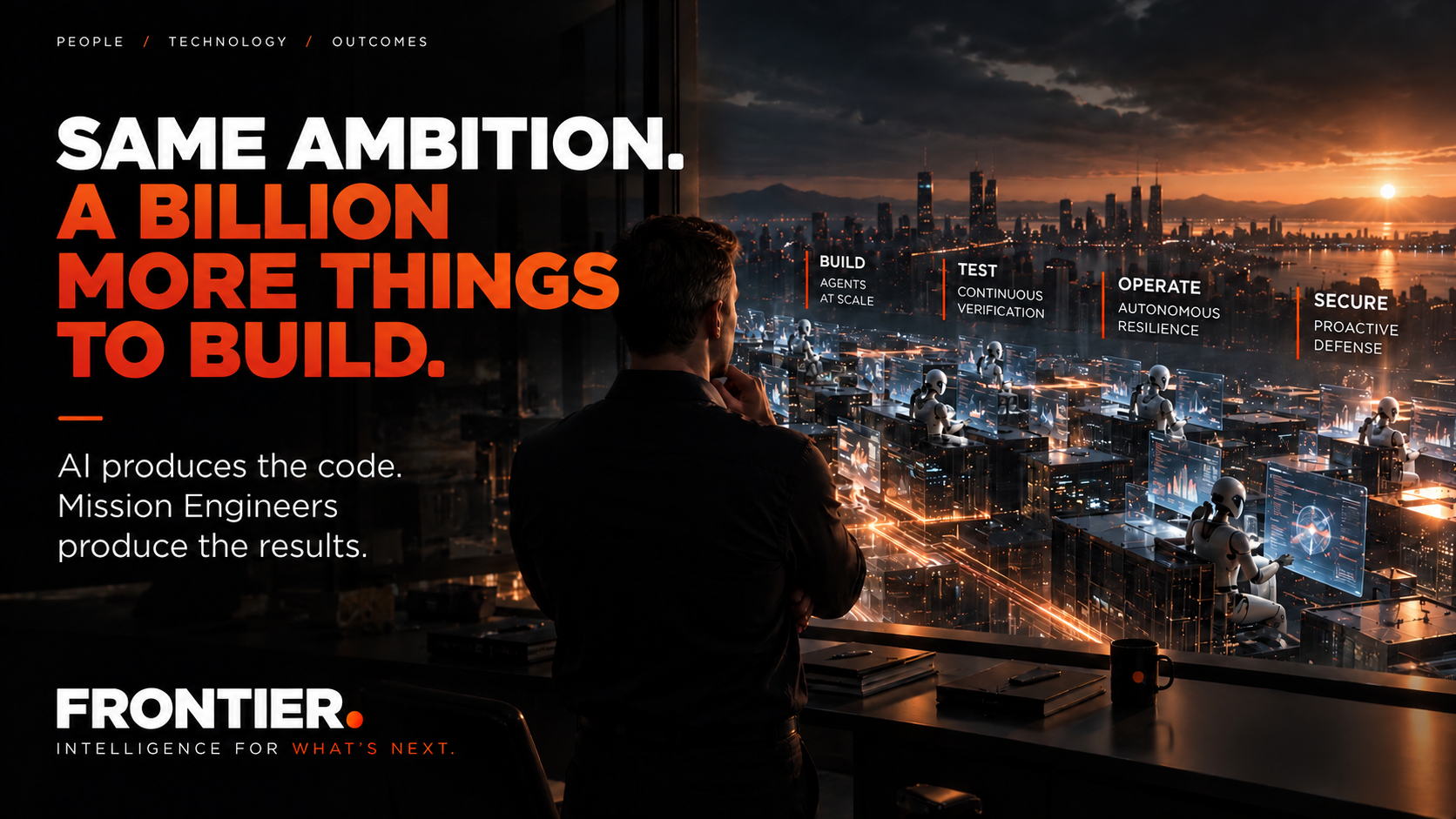
When human keystrokes become the riskiest way to produce software, enterprise IT doesn't disappear. It becomes a mission-engineering discipline—and the demand for outcomes may explode.
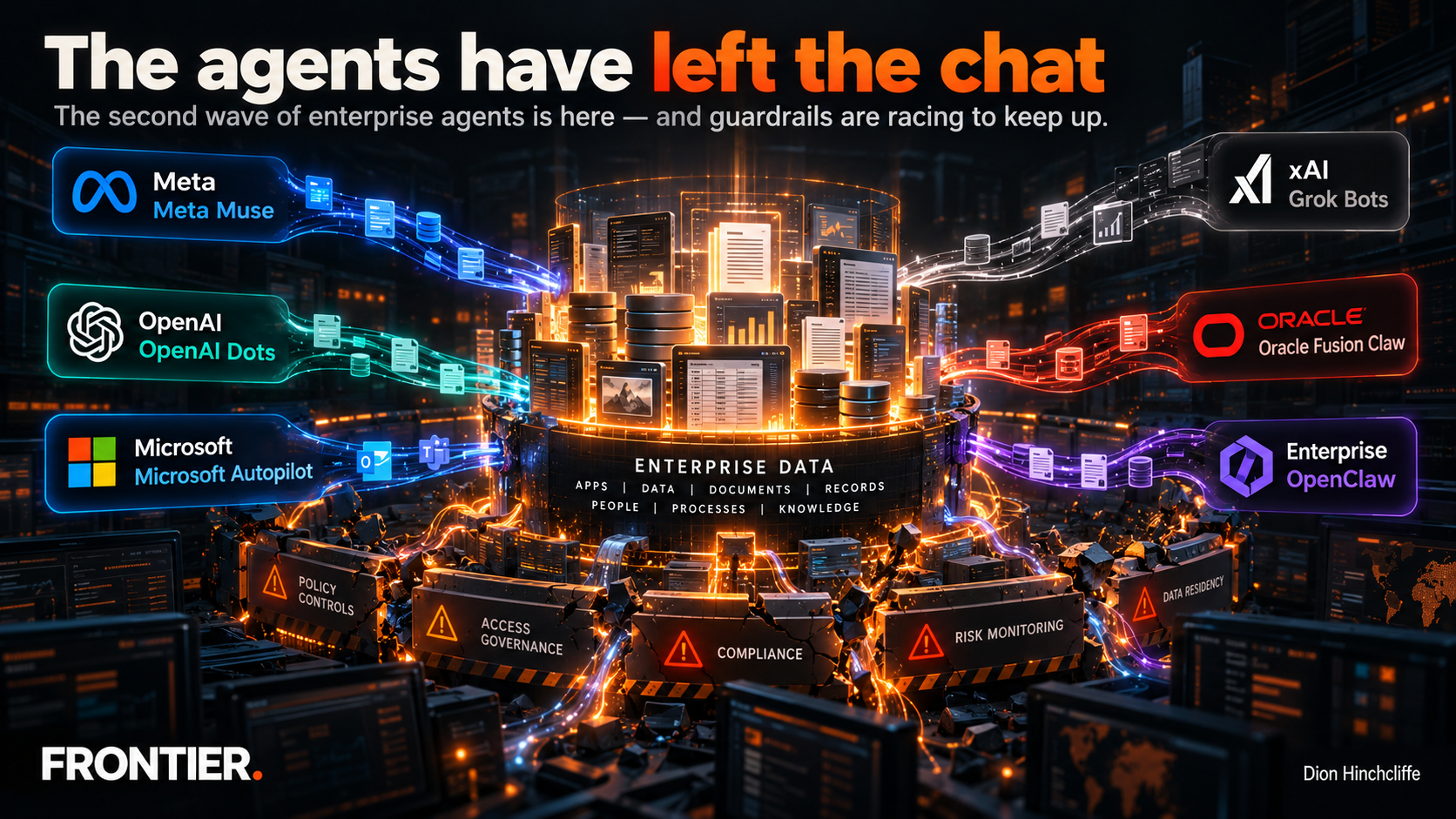
OpenClaw cracked the pattern. Meta, SpaceXAI, Microsoft, Oracle, OpenAI and OpenClaw itself are now racing to turn persistent agents into enterprise infrastructure. The upside is enormous. So is the blast radius.
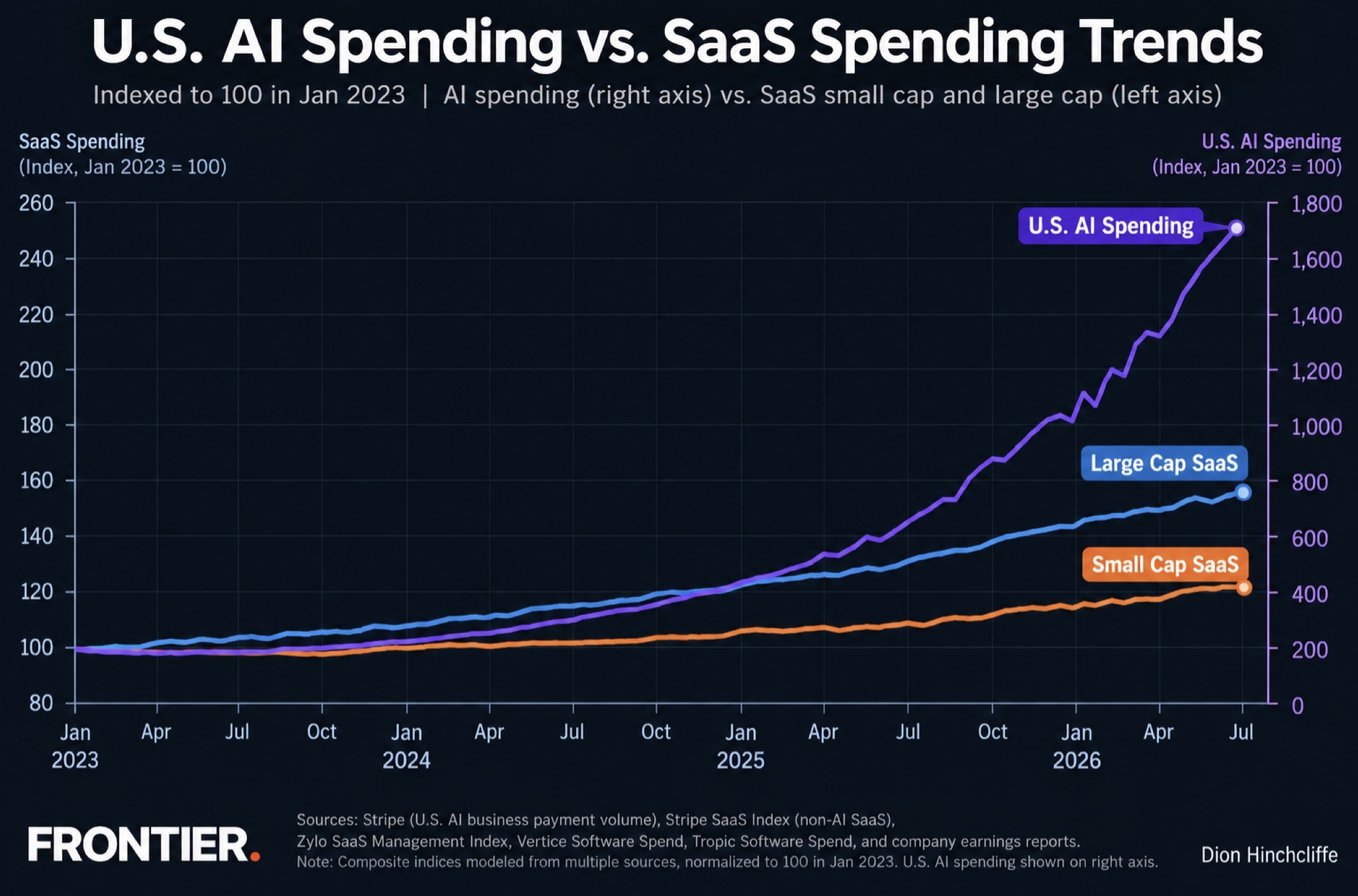
AI spending is growing far faster than traditional SaaS, but the evidence points to a transfer of software growth—not yet a software spending recession.